

Wood Element
Objects, Symbols & Psychological Character
Yang WOOD
-
Wood Represents:
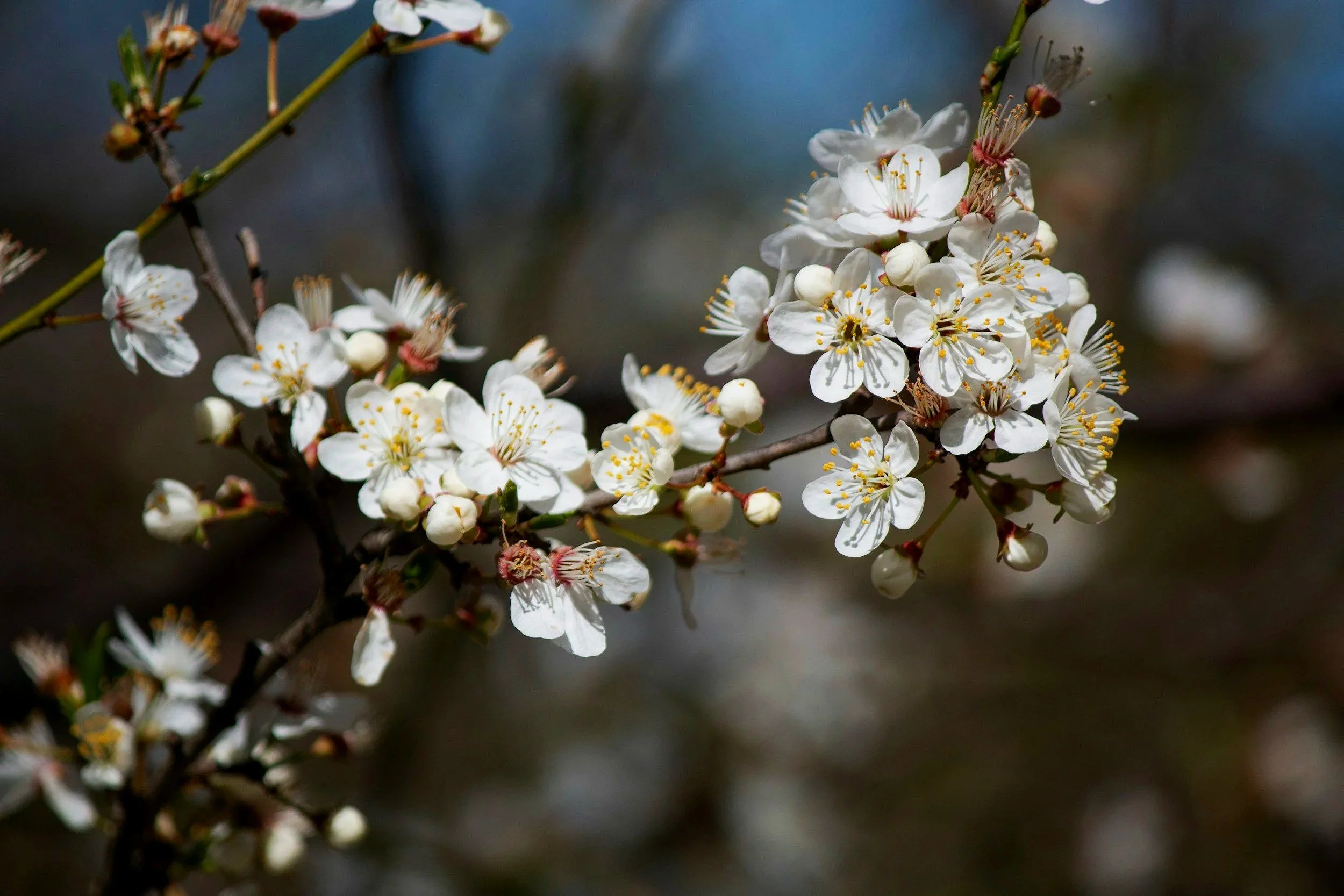
Jupiter, thunder, sunrise light & mild wind, architecture, forest, big road, bridge, wooden beams.
-
In Feng Shui Yang Wood Represents:
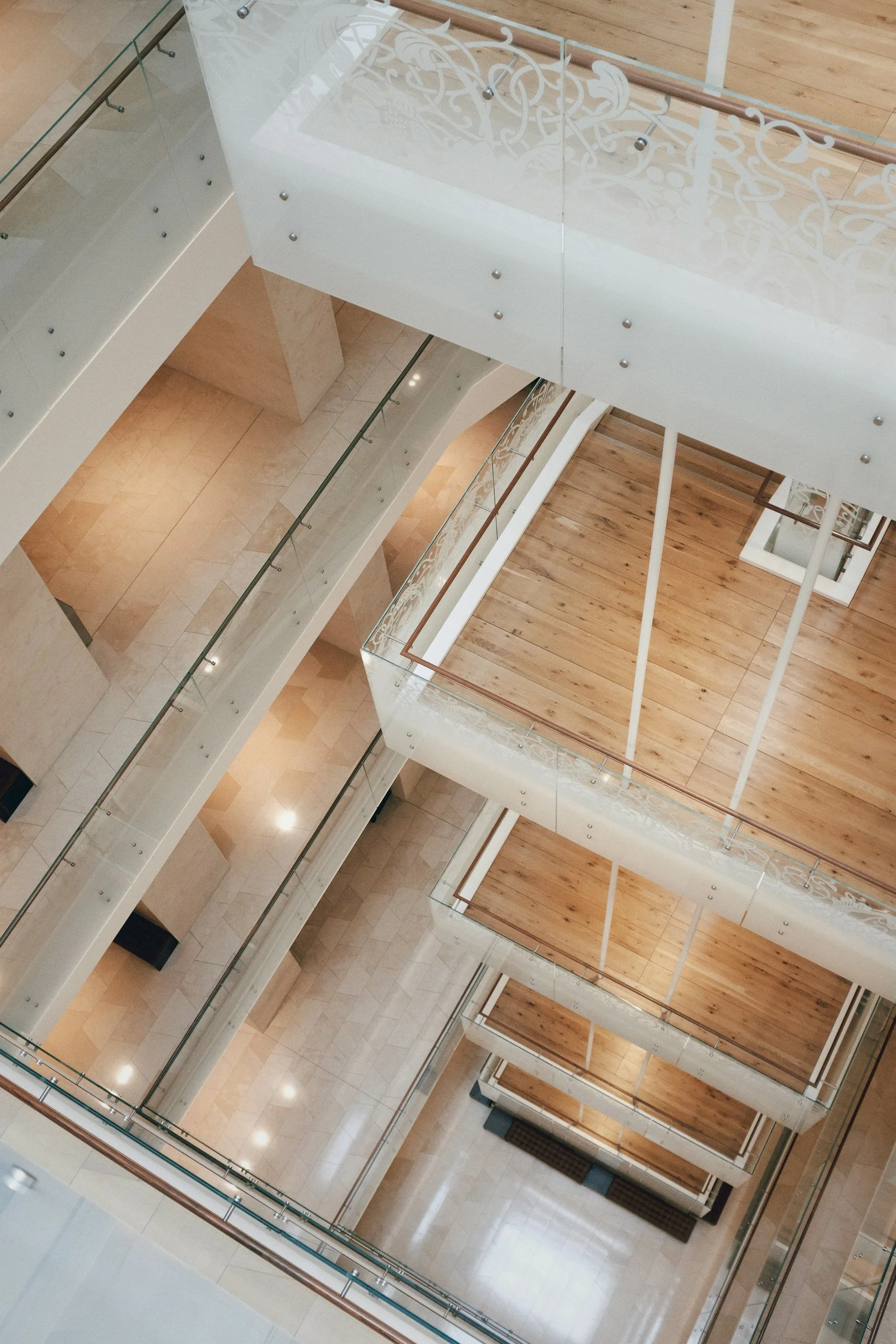
Stairs, escalator, elevator, shopping mall, city center, skyscrapers
-
Personalities:
Executive, head of family, Ceo, leading figure, role model, elder brothers, board of directors, commander, medical specialist, judge, relevant figure, noble person, formal royalty
-
General Yang Wood Personality:
Full of energy, sincerity and fairness, active and positive, honest but with a certain tendency to be rude, self-responsible, not supple or diplomatic; not attached to small things, loves movement
-
Career Energy:
Creativity and production, leadership and board of directors in general, agriculture & forestry, construction industry, oversight and supervision, taking the initiative, false alarms, banging the drum
-
Body Parts & Organs related to Wood
Gallbladder, Face, Feet, Beard, Mustache, Voice, Brain & Neurons, Convulsions & spasms, deafness or paralysis, vomiting
-
Animals & Symbols:
Lion, Tiger, Leopard, Panther, Deer, Python, Boa, Constrictor, Gecko, Lizard, Chinese Unicorn Qi Ling, Color Teal, Number 3
-
Wood Element is associated with the Vairochana Buddha Family, direction East and Letter OM ༀ, color White and element of Speech or Dharma Teachings.
From the Health Perspective
In Tibetan health perspectives, the element Wood is associated with the wind direction. Wood is particularly connected to the intern element, which governs nerves and muscles. It is also linked to the Zang-fu organs, where Wood is paired with the Liver and Gallbladder, and is associated with the function of thermoregulation, metabolism, and liver function through the concept of Tree-pa, which is characterized by heat. In pulse diagnosis, the Wood element corresponds to the springtime season, and the pulse is described as thin and tight during this period.
The Wood element is also connected to the broader system of five elements used in Tibetan medicine, where it is considered equivalent to air (wind) in the Indian-derived elemental system, reflecting a dual use of both Chinese and Indian elemental frameworks. This element plays a role in maintaining balance, as disturbances in the elements are believed to lead to diseases and suffering.


YIN WOOD
-
Yin Wood Represents:
The moon in the farthest position from the Earth; pleasant wind, beautiful sunlight, mountain fog, Park, garden, grassy meadow, valley between mountains, orchard that can be visited, flower shop
-
In Feng Shui Yin Wood Represents:
Doors and windows, beams and columns, exits and entrances
-
Personalities:
High scholar, wise personality, cultivated man of letters, Taoist monk, philosopher, mother of the family, sister, wife, matchmaker, vice-general, medicine specialist, pharmacist, noble person
-
General Yin Wood Personality:
Soft and flexible, Tactful, Ability to both bend and stretch, Deliberately artificially made, Affectionate, Follower of social trends, Peaceful and harmonious
-
Yin Wood Energy:
Art of gardening, crafts, companies that act as intermediaries & brokerage agencies, love affairs and marriage, business dealings, reformatory, printing and publishing, personal or private affairs, mediation and education, reconciliation talks, travel
-
Body Parts & Organs related to Yin Wood
Liver, lacrimal glands, hair, fingers, thigh area, sense of smell, spirit soul, neck area, nervous system, dizziness, allergy, itching
-
Animals & Symbols:
Mandarin Duck, Rock Pigeon, Green Pigeon, Stork, Crane, Chicken, Butterfly, Dragonfly, Moth Silkworm, Caterpillar, Pangolin, Snake, Giraffe, Color Jade, Number 4.